Can You Open an IGET ONE or IGET Bar Pro? Internal Seal Anatomy & AU Recycling
Curiosity—or trying to rescue a unit that feels clogged—leads thousands of Australian owners to search 'how to open iget one vape' or 'how to open iget bar pro' every month. Unlike screw-top refillable vape tanks sold years ago, modern high-capacity IGET hardware is assembled via automated press-fit interference tolerances. Once you wedge a screwdriver or pliers beneath the tapered matte-black mouthpiece, three mechanical failures happen almost immediately.
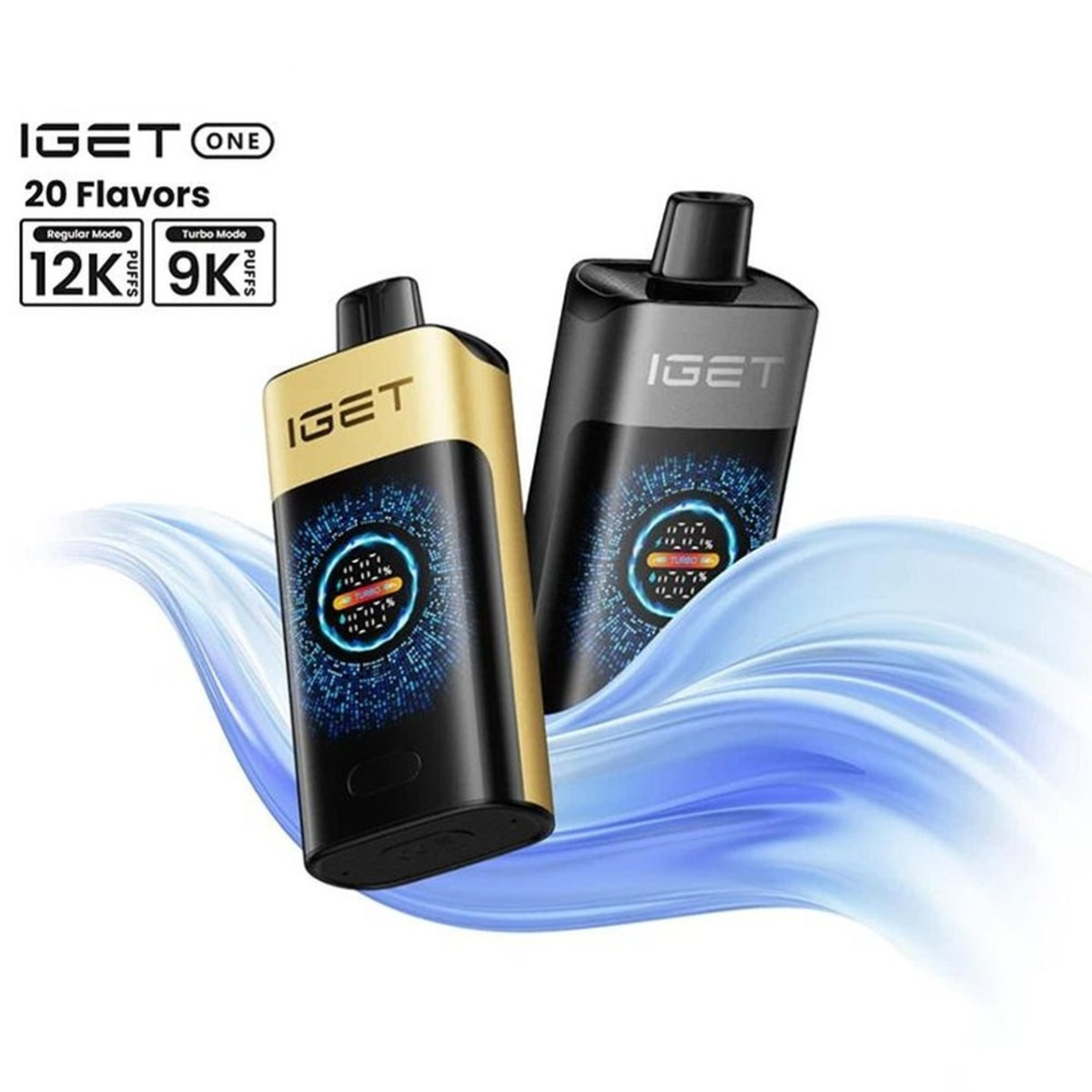
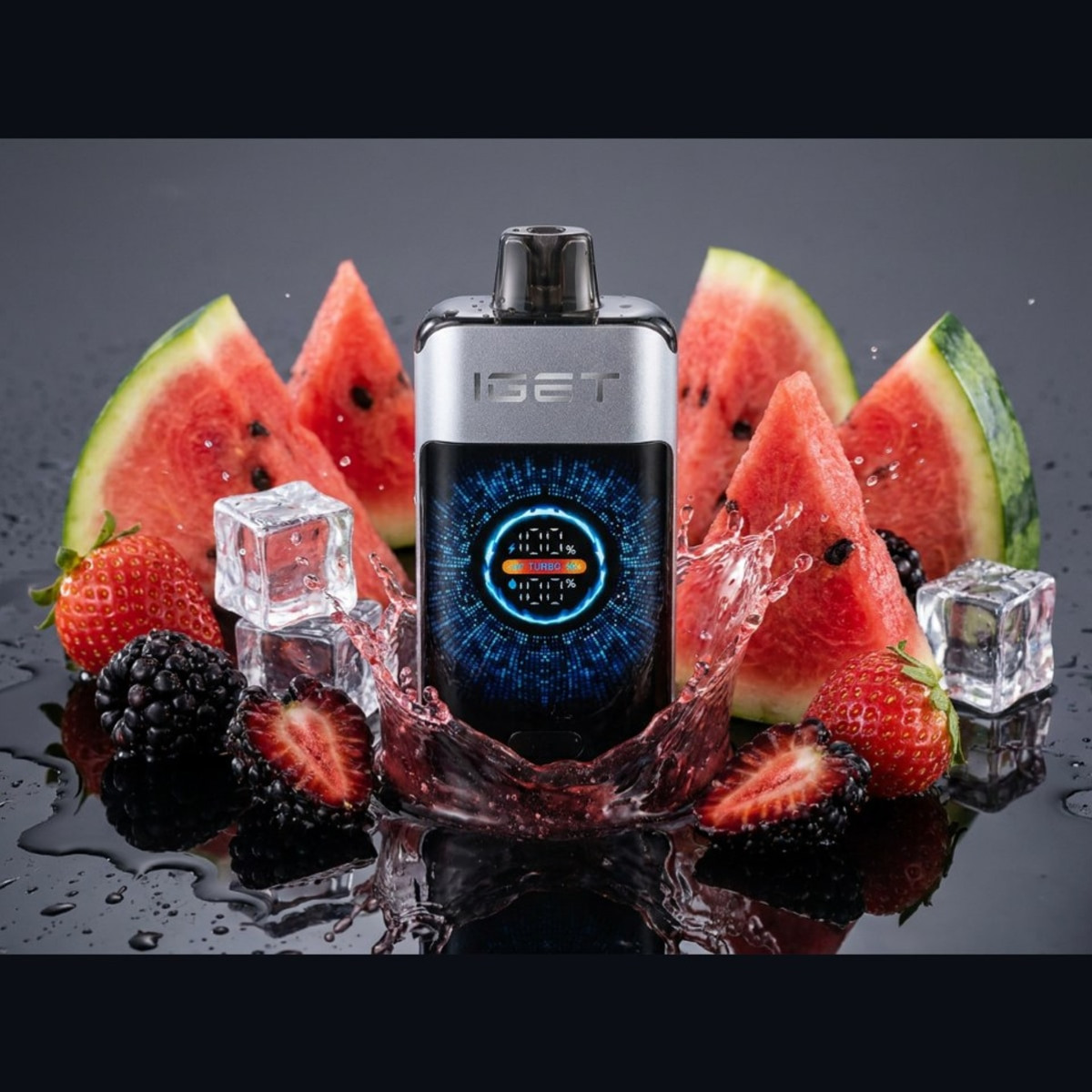
Conductive Shell Short Risk
Metal screwdrivers or pliers slice Kapton insulation around soldered cobalt battery tabs instantly.
Auto-Fire Sensor Flooding
Breaking top vacuum tension floods the bottom airflow microphone switch, causing continuous burning.
Legal E-Waste Drop-Off
Dispose intact, unpunctured devices in certified Australian battery collection stations—never kerbside bins.
Internal Press-Fit Architecture: What Actually Sits Under the Shell
Running vertically inside the PC+aluminium Bar Pro frame or curved-OLED IGET ONE body are two tightly packed zones separated by a food-grade silicone bulkhead: an upper multi-layer cotton sponge saturated with 20mL–22mL of salt-nicotine liquid surrounding the vertical mesh chimney, and a lower sealed bay housing the cylindrical pure-cobalt cell, soldered nickel tabs, and pressure-activated microphone switch.
Those soldered nickel leads sit less than two millimetres from the conductive aluminium outer casing. Sliding a metal blade down the seam to pop the cap frequently slices the thin Kapton insulation tape, creating a dead short across the 2000mAh–2700mAh cell that heats the shell past 80°C within seconds.
Why Opening Causes Instant Leaking & Dry-Hit Ruin
Even if you avoid shorting the battery leads, lifting the top mouthpiece breaks the vacuum seal that keeps e-liquid suspended evenly across the sponge matrix. Gravity then pulls liquid downward into the central chimney and onto the delicate air-pressure diaphragm at the base. The result is sticky spit-back on every inhale followed by an auto-firing sensor stuck permanently open.
If your device feels tight or muted mid-life, never pry it apart. Clear external pocket fluff gently with a dry wooden toothpick around the base air intake, warm the body slightly in your palm during chilly Melbourne or Canberra mornings, and store it upright overnight.
Responsible E-Waste & Lithium Recycling Rules Across Australian States
When your IGET finishes its cycle, Australian environmental agencies classify sealed disposables as small lithium-bearing e-waste. Tape over the bottom intake hole to prevent accidental sensor activation in transit, place finished units in a small zip pouch, and deposit them at any official B-cycle battery bin (Bunnings, Officeworks, Woolworths, Coles, or municipal Community Recycling Centres in NSW, VIC, QLD, WA, and SA).
| Observed Issue | Cause | Safe Non-Invasive Check | Need New Device? |
|---|---|---|---|
| Tight / Restricted Draw | Lint in bottom air vent | Clear pinhole gently with dry wooden toothpick | Usually No |
| Gurgling on Cold Morning | Condensation in mouthpiece | Tap mouthpiece gently onto tissue; hold upright | Usually No |
| Burnt Taste + Steady LED | Tank dry before battery cutoff | Rest 10 min; if burnt persists, tank is empty | Yes — Replace |
| 10 Rapid LED Flashes | Cobalt cell hit 3.2V floor | Zero-cord battery exhausted; recycle intact | Yes — Replace |
Can I refill an IGET ONE 12000 or Bar Pro if I manage to pop the mouthpiece off?
No. Refilling a factory-soaked sponge coil disrupts wicking density and leaks onto the airflow sensor, almost always destroying the device within a few draws.
My IGET tastes slightly weak halfway through—should I open it to check juice?
Never open the shell. On IGET ONE, read the curved OLED e-liquid indicator; on Bar Pro, rest the device upright for 15 minutes so e-liquid re-saturates the lower mesh.
What should I do if a pried-open IGET starts hissing or getting hot?
Place it immediately outdoors on concrete or inside a metal bucket away from flammable material and allow it to cool completely before taking it to a hazardous waste drop-off.